
Debunking common gambling myths What the facts really say
Understanding the Gambler’s Fallacy
The gambler’s fallacy is one of the most pervasive myths in the gambling world. This belief posits that past outcomes can influence future results, such as thinking that a losing streak in a game means a win is due. In reality, every game outcome is independent of previous results. For example, in a fair coin toss, the chances of getting heads or tails remain the same regardless of prior tosses. Understanding this concept is crucial for anyone involved in gambling and can also be useful for those exploring online casinos australia.

This myth can lead to dangerous betting behaviors, as players may increase their stakes in hopes of reversing their luck. Statistical evidence shows that each round of games—whether poker, blackjack, or slots—operates independently. Recognizing the nature of randomness is essential for developing a responsible gambling approach and avoiding misconceptions.
The Myth of Skill in Luck-Based Games
Many players believe that they can develop skills that will consistently allow them to win at games largely governed by chance, such as slot machines or roulette. While strategic play can improve odds in some games, like poker, relying on skill in purely luck-based games is misguided. The odds are designed to favor the house, making consistent winnings unlikely regardless of player experience. Understanding the mathematical probabilities behind games can help players make informed decisions. For instance, knowing the return-to-player (RTP) rates can guide players in selecting games with better odds. However, believing one can overcome the inherent randomness of luck-based games is a persistent myth that can lead to frustration and financial loss.
Jackpot Myths and Misconceptions
Another common myth is the misconception surrounding jackpot payouts. Many players believe that the jackpot must eventually hit, leading to the idea that prolonged play increases the chances of winning. In reality, jackpot machines often have algorithms that determine when and how much a jackpot will pay out, making the timing of a jackpot hit unpredictable. Moreover, the allure of large jackpots can lead to excessive gambling. Players should understand that the size of a jackpot does not influence the game’s odds. It is essential to approach such games with caution and a clear understanding that the house edge remains a constant factor, regardless of jackpot size.
Online Gambling Myths
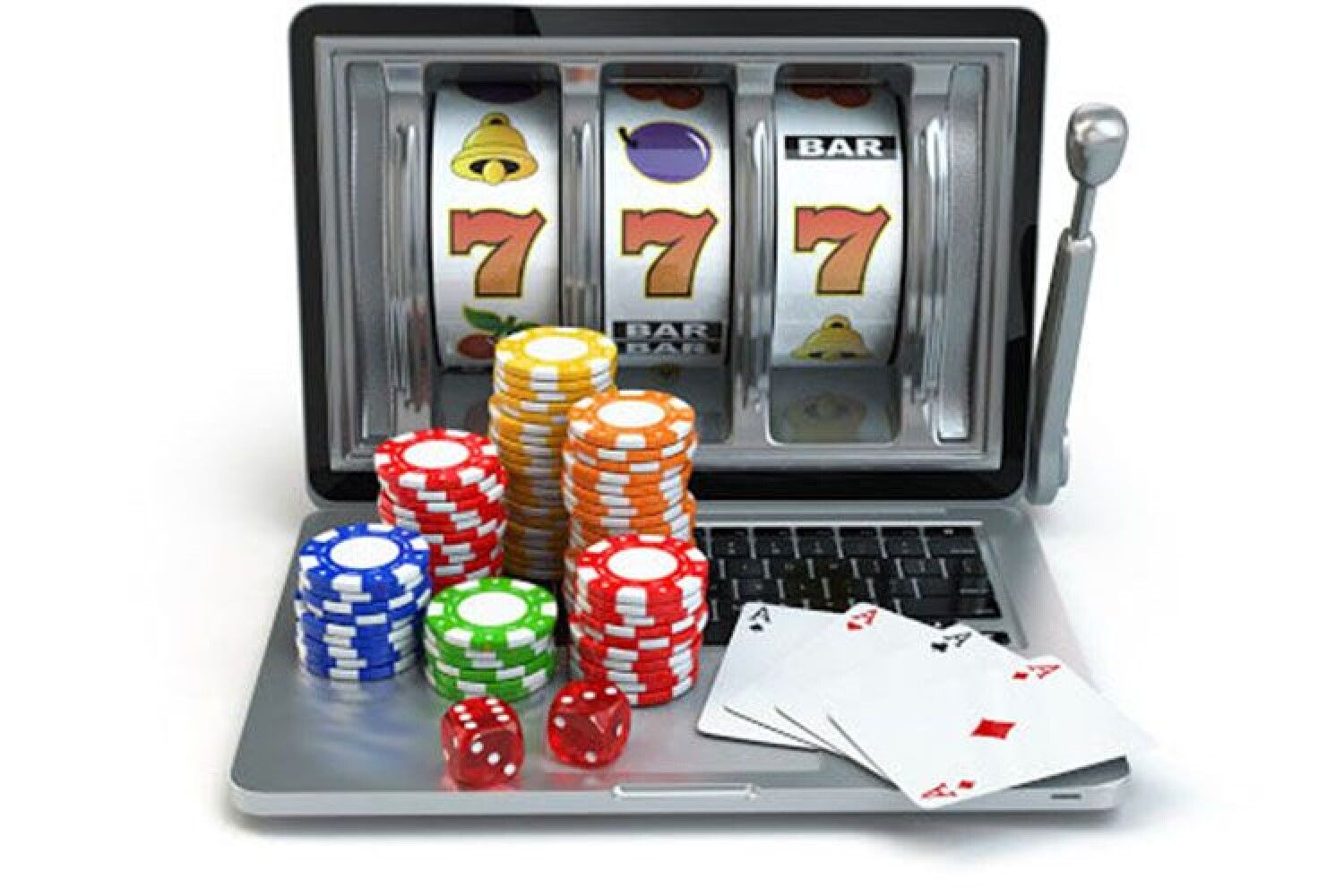
With the rise of online casinos, several myths have emerged surrounding their fairness and reliability. One prevalent myth is that online games are rigged against players. In fact, licensed online casinos use random number generators (RNGs) to ensure fair play and transparency. These RNGs are regularly audited by independent agencies to guarantee compliance with industry standards. Another misconception is that players have a better chance of winning in land-based casinos compared to online platforms. Statistical data indicates that online casinos can offer more favorable odds due to lower operational costs. Understanding the mechanics behind online gambling is essential for players seeking a fair and enjoyable experience.
Choosing the Right Casino for Your Experience
When it comes to gambling, selecting the right casino can significantly impact your experience. The best online casinos provide comprehensive information about their offerings, including game variety and available bonuses. Players should look for platforms that prioritize user experience, ensuring that all features are easy to navigate and enhance gameplay. Moreover, responsible gambling practices are crucial in any gaming environment. Reputable casinos offer resources for players, including tips on managing bankrolls and understanding RTP rates. Engaging with platforms that promote a positive gaming atmosphere can lead to a more rewarding gambling experience while minimizing the risks associated with the myths surrounding the industry.