
Understanding the psychology behind risk-taking in casino environments
The Allure of Gambling: A Psychological Perspective
The thrill of gambling often draws individuals into casino environments, where the excitement of potentially winning can overshadow the associated risks. This allure is rooted in a complex interplay of psychological factors, including the release of dopamine, a neurotransmitter linked to pleasure and reward. When a player experiences a win, however small, the brain responds with a surge of dopamine, reinforcing the behavior and encouraging further risk-taking. Many seek out bookmakers not on gamstop for a wider array of options and the chance to explore new betting experiences.
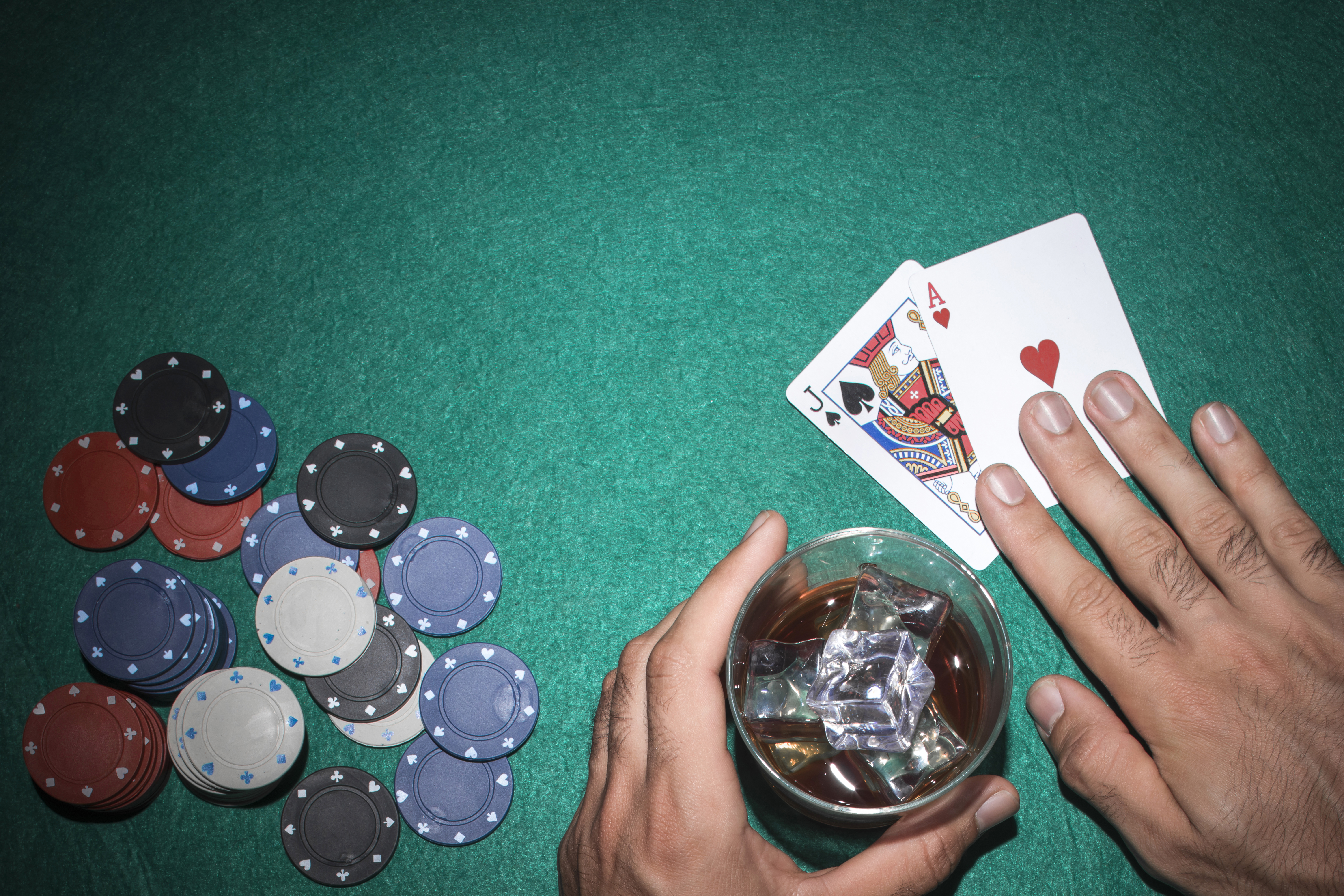
Additionally, the environment of a casino is meticulously designed to amplify this psychological response. Bright lights, enticing sounds, and a vibrant atmosphere create an immersive experience that heightens anticipation and desire. This can lead to a state of heightened arousal, where players become more willing to take risks, often underestimating the odds against them.
Luck vs. Skill: The Duality of Gambling
In the realm of gambling, a common debate centers on the roles of luck and skill. For many players, the perception that skill can influence outcomes gives a sense of control over inherently random events. This belief can encourage further risk-taking, as individuals may feel that they can outsmart the game through strategy and experience. However, understanding that games largely governed by chance can foster a false sense of confidence can be crucial, leading players to make increasingly reckless decisions.
Conversely, acknowledging the true nature of risk in gambling can lead to healthier attitudes. Recognizing that luck plays a significant role in most casino games can help individuals approach gambling more responsibly. It may prompt players to set limits and mitigate the potential for significant losses, allowing for a more enjoyable experience devoid of destructive behaviors.
The Influence of Social Dynamics on Risk Behavior
Social interactions within a casino environment can heavily influence an individual’s propensity to take risks. The presence of others, whether friends or strangers, can create a sense of camaraderie that enhances the thrill of the game. This social dynamic can lead to peer pressure, where individuals feel compelled to take larger risks to maintain social approval or enhance their experience with others.
Moreover, the competitive atmosphere can heighten emotions and cloud judgment. Players may find themselves engaging in riskier bets simply to keep up with the perceived excitement around them. This social contagion can lead to impulsive decisions that might not align with their typical risk profiles, highlighting the importance of understanding the psychological mechanisms at play in a communal gambling setting.
Emotional Triggers and Decision-Making in Gambling
Emotions play a critical role in decision-making, especially in high-stakes environments like casinos. Players often find themselves caught in a whirlwind of feelings such as excitement, anxiety, and even despair, which can significantly affect their choices. These emotional triggers can cloud rational judgment, leading to impulsive behavior that may not align with their intended gambling strategies.
The rollercoaster of wins and losses can also provoke a range of emotional responses, impacting future betting patterns. For instance, a big win might create a euphoric sense of invincibility, prompting players to take on more significant risks. Conversely, losing streaks can lead to frustration and a desperate attempt to reclaim losses, often resulting in further impulsive and high-risk decisions.

Your Guide to Responsible Gambling Practices
At our site, we emphasize the importance of understanding the psychology behind risk-taking in gambling environments. By offering insights into the factors that influence decision-making, we aim to equip players with the tools necessary for making informed choices. Recognizing the interplay between luck and skill, along with the emotional and social dynamics at play, can enhance a player’s overall experience.
Our commitment to responsible gambling means encouraging individuals to engage with gaming in a manner that prioritizes enjoyment and minimizes risk. Whether you are a casual player or a seasoned gambler, understanding the psychological aspects can help foster a healthier relationship with gambling, ensuring a more fulfilling experience in the casino environment.